The Rise of Mental Health Awareness and The Role of Bhakti Yoga

Free to Read
4 mins September, 2026
00:00
00:00

By Prabhupada Ashraya Das


Kartikpur was a village known for its golden wheat fields, fragrant tulasi gardens, and the evening rhythm of karatalas and mridangas from its small temple. But in one house at the village edge, silence reigned.


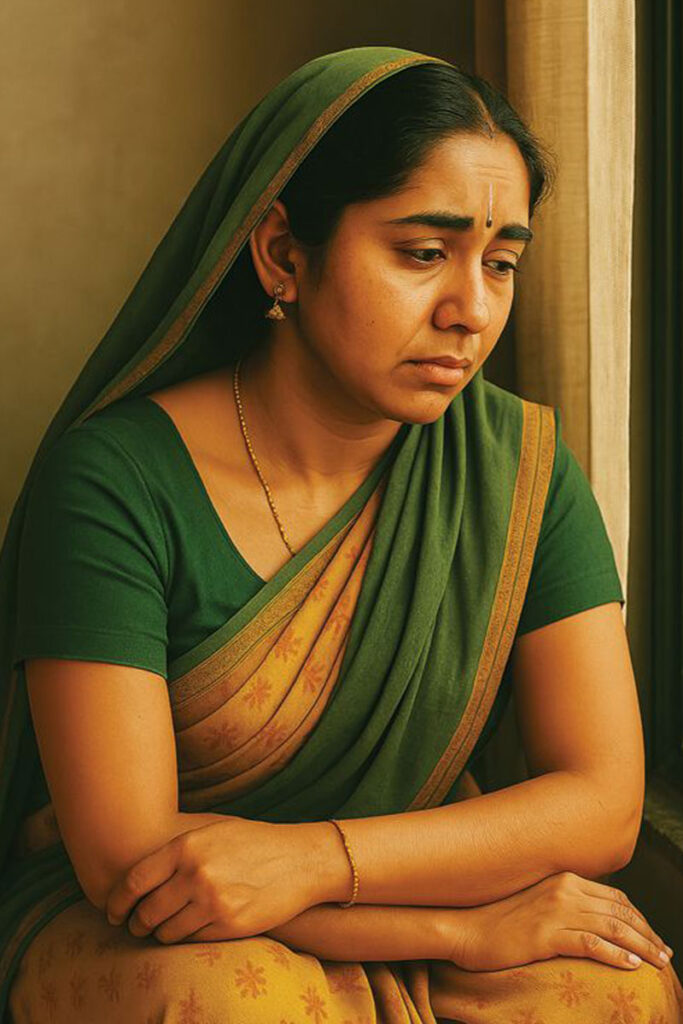
Meera — once the most spirited young girl in Kartikpur — had stopped singing. She no longer braided flowers into her hair. She barely spoke. Though her mother called her for prasada, Meera would sit quietly by the window, staring into nothing. An invisible weight had wrapped around her soul.


Doctors came, medicines came, but the light did not.


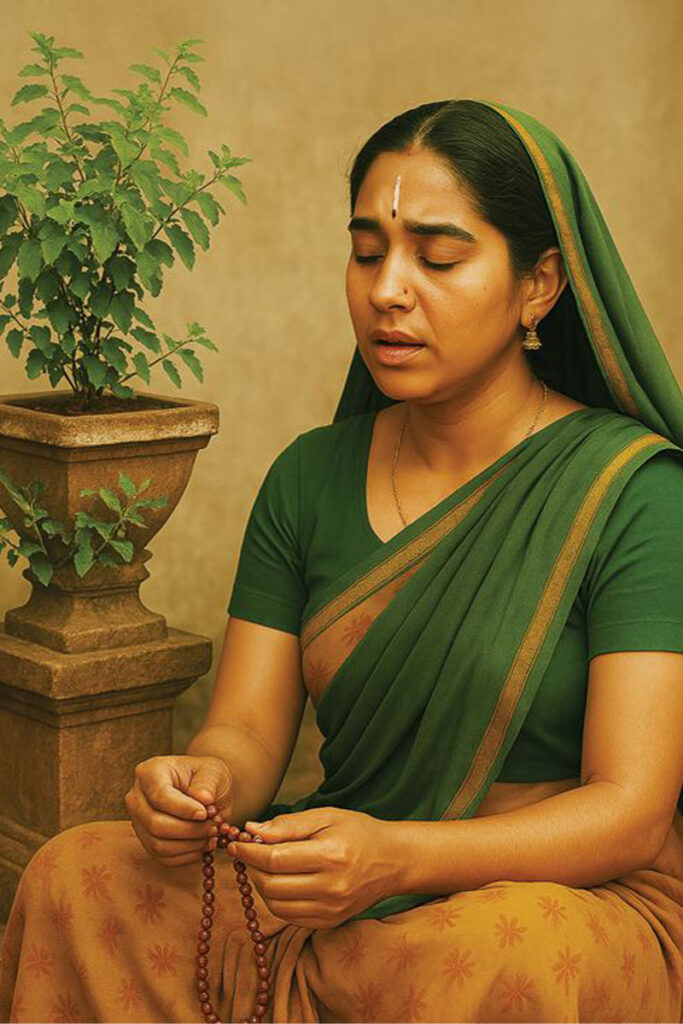
Then, one day, her grandmother, Santa mataji — a gentle devotee who often sat by the tulasi garden chanting japa — visited with something simple yet powerful: a warm bowl of kheer and the gift of time. She didn’t ask Meera to explain her sadness. Instead, she softly began chanting:

“Hare Krishna, Hare Krishna, Krishna Krishna, Hare Hare

Hare Rama, Hare Rama, Rama Rama, Hare Hare”


At first, Meera was unmoved. But the gentle repetition lingered, like the fragrance of champa flowers. Over the next few days, Santa mataji returned, sharing Krishna’s lilas and, sometimes, just her presence.


One day, Meera quietly picked up a karatala. And then, a flickering smile appeared.


A World Waking Up to Mental Health


In today’s fast-paced, hyper-connected world, mental health is finally gaining recognition. Terms like anxiety, burnout, and emotional exhaustion are no longer whispered in shame. Workplaces have wellness coaches, schools create mindfulness corners, and even celebrities speak openly about seeking help. But even with growing awareness, a deeper hunger remains — the hunger for belonging, meaning, and inner stillness. This is where bhakti-yoga — the path of loving devotion to KRISHNA — offers not just relief, but restoration of the soul.


Bhakti Yoga: A medicine for the heart


Bhakti Yoga isn’t mere ritual — it’s a relationship. While karma-yoga emphasizes action and jnana-yoga emphasizes knowledge, bhakti goes straight to the heart. Here’s how bhakti nurtures mental wellness:


· Mantra meditation grounds the mind: Repeating the maha-mantra calms the nervous system. Studies show mantra meditation reduces cortisol levels and improves emotional balance.


· Kirtan cultivates community: Group chanting and sankirtana foster belonging — an antidote to modern loneliness.


· Deity service inspires purpose: Offering flowers, preparing bhoga, or decorating the altar brings joyful routine, especially healing for those facing apathy or depression.


· Sastra brings clarity to the intelligence: Reading Bhagavad-gita and Srimad-Bhagavatam helps us realize: “I am not this mind. I am a servant of Krishna.”


· Sadhu-sanga uplifts our spirits: Devotee association transforms us. As Srila Prabhupada said, “We are not alone.”


Real-Life bhakti: Ravi’s Story


Ravi, a young IT engineer in Mumbai, was drowning in anxiety. Panic attacks had become routine. One day, he saw a flyer: “Happiness Program – ISKCON Youth Forum.” With skepticism, he attended. He didn’t expect what he found: warm prasadam, rhythmic chanting, and people who didn’t judge him. That one visit became two, then five. Soon, he joined morning chanting walks, found nourishing friendships, and gradually rediscovered his inner strength.


Today, Ravi volunteers to organize online Gita classes for other young professionals who feel lost. Bhakti didn’t erase his pain in a day — but it gave him something greater: rasa — a taste for transcendence.



Bhakti is not denial


A vital point: Bhakti is not a substitute for clinical care. Just as we treat fevers with medicine and Krishna’s mercy, mental health challenges require both medical support and spiritual connection. ISKCON’s embrace of this reality is heartening — from devotee counselling groups to mental health webinars and spiritual care circles. We honor our parampara not by escaping reality, but by applying Krishna consciousness within it.


Expressing our emotions is not a sign of weakness. Our scriptures are replete with emotional outpouring of devotees. Lord Caitanya Mahaprabhu wept constantly feeling deep separation from Krishna. Kunti devi, the celebrated mother of the Pandavas, shows how pain and setbacks when combined with surrender draws us closer to Krishna. Prahlada’s unwavering faith amidst torment teaches us shelter, not stoicism. These examples don’t glorify suffering — they glorify divine dependence.


Building healing communities


As devotees, can we become havens of healing? Let’s ask: Are we noticing those silently struggling in our sangas? Can our ashramas become places where one can say, “I’m not okay,” and be embraced with compassion? Can our temples be sanctuaries — not just places of worship, but of soulful care?


The answer lies in our culture of kindness: a shared plate of prasada, a patient ear, a reassuring “You’re not alone.” These are expressions of bhakti.


Meera’s return


In Kartikpur, healing wasn’t immediate. But slowly, the temple became Meera’s anchor. She began helping with tulasi-seva and telling Krishna stories to village children.


One morning, she offered a ghee lamp, her hands trembling. And softly, she whispered: “Thank You for not forgetting me, O Krishna, even when I forgot myself.”


The world is waking up to mental health. But without a path that connects us to our eternal identity, the awakening remains incomplete. Bhakti doesn’t just help us cope with it; it helps us remember who we are, and whose we are. In the quiet of japa, in the embrace of kirtan, in the tears of surrender, there is healing. There is Krishna.


Prabhupada Ashraya Das serves as the General Manager and Secretary at ISKCON Aravade, where he orchestrates events, nurtures community engagement, and crafts spiritually resonant communications. Fluent in Marathi, Hindi, and English, he blends heartfelt storytelling with meticulous organization and uplift devotees through creative outreach.


adha Kunda, Snana dana, Bahulastami

Subscribe to BTG Digital Magazine

Embark on your path to Krishna consciousness with BTG Digital Magazine! Subscribe now and discover inspiring stories of growth, enlightenment, and connection shared by our community.

Subscribe

The Rise of Mental Health Awareness and The Role of Bhakti Yoga

The Rise of Mental Health Awareness and The Role of Bhakti Yoga
Listen to Article
Press Play to listen

By Prabhupada Ashraya Das


Kartikpur was a village known for its golden wheat fields, fragrant tulasi gardens, and the evening rhythm of karatalas and mridangas from its small temple. But in one house at the village edge, silence reigned.


Meera — once the most spirited young girl in Kartikpur — had stopped singing. She no longer braided flowers into her hair. She barely spoke. Though her mother called her for prasada, Meera would sit quietly by the window, staring into nothing. An invisible weight had wrapped around her soul.


Doctors came, medicines came, but the light did not.


Then, one day, her grandmother, Santa mataji — a gentle devotee who often sat by the tulasi garden chanting japa — visited with something simple yet powerful: a warm bowl of kheer and the gift of time. She didn’t ask Meera to explain her sadness. Instead, she softly began chanting:

“Hare Krishna, Hare Krishna, Krishna Krishna, Hare Hare

Hare Rama, Hare Rama, Rama Rama, Hare Hare”


At first, Meera was unmoved. But the gentle repetition lingered, like the fragrance of champa flowers. Over the next few days, Santa mataji returned, sharing Krishna’s lilas and, sometimes, just her presence.


One day, Meera quietly picked up a karatala. And then, a flickering smile appeared.


A World Waking Up to Mental Health


In today’s fast-paced, hyper-connected world, mental health is finally gaining recognition. Terms like anxiety, burnout, and emotional exhaustion are no longer whispered in shame. Workplaces have wellness coaches, schools create mindfulness corners, and even celebrities speak openly about seeking help. But even with growing awareness, a deeper hunger remains — the hunger for belonging, meaning, and inner stillness. This is where bhakti-yoga — the path of loving devotion to KRISHNA — offers not just relief, but restoration of the soul.


Bhakti Yoga: A medicine for the heart


Bhakti Yoga isn’t mere ritual — it’s a relationship. While karma-yoga emphasizes action and jnana-yoga emphasizes knowledge, bhakti goes straight to the heart. Here’s how bhakti nurtures mental wellness:


· Mantra meditation grounds the mind: Repeating the maha-mantra calms the nervous system. Studies show mantra meditation reduces cortisol levels and improves emotional balance.


· Kirtan cultivates community: Group chanting and sankirtana foster belonging — an antidote to modern loneliness.


· Deity service inspires purpose: Offering flowers, preparing bhoga, or decorating the altar brings joyful routine, especially healing for those facing apathy or depression.


· Sastra brings clarity to the intelligence: Reading Bhagavad-gita and Srimad-Bhagavatam helps us realize: “I am not this mind. I am a servant of Krishna.”


· Sadhu-sanga uplifts our spirits: Devotee association transforms us. As Srila Prabhupada said, “We are not alone.”


Real-Life bhakti: Ravi’s Story


Ravi, a young IT engineer in Mumbai, was drowning in anxiety. Panic attacks had become routine. One day, he saw a flyer: “Happiness Program – ISKCON Youth Forum.” With skepticism, he attended. He didn’t expect what he found: warm prasadam, rhythmic chanting, and people who didn’t judge him. That one visit became two, then five. Soon, he joined morning chanting walks, found nourishing friendships, and gradually rediscovered his inner strength.


Today, Ravi volunteers to organize online Gita classes for other young professionals who feel lost. Bhakti didn’t erase his pain in a day — but it gave him something greater: rasa — a taste for transcendence.


Bhakti is not denial


A vital point: Bhakti is not a substitute for clinical care. Just as we treat fevers with medicine and Krishna’s mercy, mental health challenges require both medical support and spiritual connection. ISKCON’s embrace of this reality is heartening — from devotee counselling groups to mental health webinars and spiritual care circles. We honor our parampara not by escaping reality, but by applying Krishna consciousness within it.


Expressing our emotions is not a sign of weakness. Our scriptures are replete with emotional outpouring of devotees. Lord Caitanya Mahaprabhu wept constantly feeling deep separation from Krishna. Kunti devi, the celebrated mother of the Pandavas, shows how pain and setbacks when combined with surrender draws us closer to Krishna. Prahlada’s unwavering faith amidst torment teaches us shelter, not stoicism. These examples don’t glorify suffering — they glorify divine dependence.


Building healing communities


As devotees, can we become havens of healing? Let’s ask: Are we noticing those silently struggling in our sangas? Can our ashramas become places where one can say, “I’m not okay,” and be embraced with compassion? Can our temples be sanctuaries — not just places of worship, but of soulful care?


The answer lies in our culture of kindness: a shared plate of prasada, a patient ear, a reassuring “You’re not alone.” These are expressions of bhakti.


Meera’s return


In Kartikpur, healing wasn’t immediate. But slowly, the temple became Meera’s anchor. She began helping with tulasi-seva and telling Krishna stories to village children.


One morning, she offered a ghee lamp, her hands trembling. And softly, she whispered: “Thank You for not forgetting me, O Krishna, even when I forgot myself.”


The world is waking up to mental health. But without a path that connects us to our eternal identity, the awakening remains incomplete. Bhakti doesn’t just help us cope with it; it helps us remember who we are, and whose we are. In the quiet of japa, in the embrace of kirtan, in the tears of surrender, there is healing. There is Krishna.


Prabhupada Ashraya Das serves as the General Manager and Secretary at ISKCON Aravade, where he orchestrates events, nurtures community engagement, and crafts spiritually resonant communications. Fluent in Marathi, Hindi, and English, he blends heartfelt storytelling with meticulous organization and uplift devotees through creative outreach.


adha Kunda, Snana dana, Bahulastami